Category: Law

Explore legal technology, regulation, accountability and the relationship between emerging technology and professional responsibilities.

  • AI Waves: Is your business ready for the new EU AI Regulations?

    AI Waves: Is your business ready for the new EU AI Regulations?

    AI Regulations by Geofrey Banzi

    AI Waves has returned once more! The most recent instalment of this series of webinars focuses on the proposal for a regulation of the European Parliament and of the Council imposing harmonised rules on AI.

    Questions Covered:

    • Is it possible to create a precise definition of AI?
    • Is the description provided by the EU proper and relevant to its practical use?
    • How much does the quality of data affect AI algorithms?
    • Can the data quality be regulated and how could it be done?
    • How can you locate a high-risk algorithm? Does the European Union correctly describe current AI threats? Are the new regulations necessary?
    • How can the new laws affect business?

    Speakers:

    Jerzy Biernacki (Miquido), Lukasz Wieczorek (Konieczny, Wierzbicki Law Firm), Michal Barwicki (Konieczny, Wierzbicki Law Firm), Beril Sirmacek (Saxion University of Applied Sciences) and Martin Ciupa (Serial AI Entrepreneur)

    Key Takeaways:

    • Financial markets are currently leading the way regarding the regulation of Artificial Intelligence.
    • A fundamental issue for AI regulation is the determination of appropriate definitions of AI and high-quality data.
    • The risk-based method used in the Act to differentiate between different AI applications and products needs further specification.
    • The implementation of the Act will likely have large scale impacts on the competitiveness of EU economy and business due to the widespread involvement of AI across all sectors.

    Overview of updates to the EU regulations

    The Artificial Intelligence Act is an act that has been proposed by the European Commission and is therefore not yet binding.

    Regarding the implementation of the regulation, it is stated that each Member State will appoint an AI authority alongside the appointment of a European Artificial Intelligence Board as a coordination/assisting authority.

    Points of significance:

    • Defining Artificial Intelligence
      • The term ‘Artificial intelligence system’ is defined in the proposed Act as:

    Software that is developed with one or more of the techniques and approaches listed in Annex I and can, for a given set of human-defined objectives, generate outputs such as predictions, recommendations, or decisions influencing the environments they interact with. 

    • Potential Issues from a Business Perspective
      • Too narrow or too extensive
      • What methods will be applied to ensure the periodic updates are effective
      • Interpretation divergence risk between EU Member States
    • Risk Based Classification
      • Simply put, the method used to deduce the amount of regulation that will be applied is determined based on the amount of risk that the use of Artificial Intelligence poses to the user.
      • Four categories of risk are identified:
        • Unacceptable risk
          • Includes prohibited practices, e.g., manipulating people and social scoring.
        • High risk (area of specific intrigue for lawyers and those in business)
          • Includes uses that carry very significant risk to security, rights, and health of users, e.g., safety components of products, critical infrastructure, hiring and workforce management and the prosecution of crime
          • The providers of these AI applications and products must meet strict requirements because of the impact that it may have on the course of life
            • Risk assessment and mitigation
              • Concern – Not clearly defined.
            • Use of high-quality data sets
              • Concern – What is meant by this? 100% free, 98% etc. This requirement seems impossible to guarantee.
            • High level of accuracy, security, and robustness
              • Concern – This will require constant modifications.
              • Concern – Accuracy is a terrible metric for AI
            • The general sentiment is that an intermediate risk category is needed between the high risk and limited risk classifications.
        • Limited risk
          • E.g., chat bots
        • Minimal risk
          • E.g., AI computer games
    • Penalties
      • Up to 30 000 000 EUR
      • The numbers are big and therefore the Artificial Intelligence Act is something that business must pay close attention to avoid huge sanctions when the act becomes legally binding (resembles the impact that GDPR had on business)
    • Additional comments and concerns
      • Liability repatriation vis-à-vis the user
        • Interesting to business entities – may need to develop a way to share liability between the component AI subsystems involved in the final applications and products.
        • Currently, regulation says the provider will be liable.
      • AI system user impact on system’s performance
        • Should we share some liability, requirements, obligations with the user?
      • Testing of algorithms
        • Should we be focusing on testing over asking for complete knowledge of the exact function of the AI? The level complexity seems to be pointing this way (an appropriate comparison would be practices in medicine, namely the passing of new drugs and vaccines)
      • Adding another AI system category
        • Intermediate

    Panel Discussion

    • The definition of artificial intelligence
      • This is an exceptionally complicated task, and it is impossible to know how such a definition will materialise in its application.
      • It will be very interesting to see what the different stakeholders think of the current approach and the extent of the potential disagreements which may arise.
    • The role of quality data in working on AI algorithms
      • This is an area of central importance for the Act. A more precise definition of what this means needs to be put forward and ‘high quality data’ is interpreted by experts in AI and business.
    • The potential risks of AI and keeping control over the technology
      • The general sentiment across the board is that regulation is necessary, however, that the act is far from being ready.
      • Inevitably, this regulation will impact the competitiveness of EU economy and business – this needs to be taken into consideration (from business perspective)
    For more on Miquido, please visit here.

    What followed the early AI regulatory debate?

    This recording discusses a proposed regulatory approach at a particular point in time. For wider context about fairness, institutional accountability and machine authority, follow the related research.

  • Legal Technology and its applications and implications for regulation and practice

    Legal Technology and its applications and implications for regulation and practice

    Are you interested in finding out more about:

    • the applications of Legal Technology to delivering social justice during the Covid 19 pandemic,
    • the ICO’s approach to the regulation of novel IT solutions, such as the UKs recently created contract tracing app, or
    • how the Manchester law and technology initiative is driving forward the integration of legal tech and innovation into the law school curriculum

    Checkout the European Circuits webinar event on Legal Technology and its applications and implications for regulation and practice, happening on the 17th June 2020 via ZOOM | 16.30-17.45 GMT, sponsored by 18 St John Street Chambers.

    Book your space now:

    https://zoom.us/webinar/register/WN_wmmYTyRsTDa2RtqWwNtvuw

    Event details:

    Chair:

    His Honour Judge Pearce, Judge in charge of the Circuit Commercial Court, Manchester

    Keynote speech:

    Sir Geoffrey Vos, Chancellor of the High Court of England and Wales

    Other speakers:

    James Moss Acting General Counsel for the ICO

    Professor Claire McGourlay, The University of Manchester

    Jonathan Patterson, Managing Director at DWF Ventures

    For more details about the event visit:

    https://www.europeancircuit.com

  • The ‘Notre-Dame tipping point’ – A study of key events in Biotechnology, what it means to be alive and whether things will actually ever be the same once the ‘fire’ has passed

    The ‘Notre-Dame tipping point’ – A study of key events in Biotechnology, what it means to be alive and whether things will actually ever be the same once the ‘fire’ has passed

    Introduction

    In a world grappling with cancer, climate change, and societal inequities, biotechnology is pushing the boundaries of what we consider life. Recent breakthroughs at Cornell University and Yale University have sparked both excitement and profound ethical concerns.

    Cornell’s Self-Reproducing Machines: A New Form of Life?

    Researchers at Cornell have engineered robots capable of reproducing, consuming resources, and evolving. These DNA-based machines challenge our understanding of life and raise questions about the potential rights of artificial entities. Are we on the verge of creating a new form of life? According to Cornell researchers, these biomachines exhibit lifelike properties such as metabolism, growth, and decay, positioning them at the forefront of synthetic life research​ (HotHardware)​.

    Yale’s Reanimated Pig Brains: Challenging the Definition of Death

    At Yale, scientists have restored cellular activity in pig brains hours after death. Although these brains did not achieve full consciousness, this achievement blurs the line between life and death, raising profound ethical and legal questions about the potential for human brain revival and the rights of individuals who undergo such procedures. This study highlights the need for careful consideration of the implications of reanimating neural tissues​ (IJMR)​.

    Legal and Ethical Implications: Navigating Uncharted Territory

    The implications of these biotechnological advancements are vast and complex. Could a revived human brain regain consciousness and legal personhood? How do we prevent misuse of this technology? Current international laws and ethical guidelines offer limited guidance, necessitating urgent discussions about the future of human experimentation and the potential creation of artificial life​ (EMB Blogs)​​ (Braden Kelley)​.

    Adapting Biotechnology Law for the Future

    The rapid pace of biotechnological innovation demands a legal framework that can keep up. Regulations must be carefully crafted to address ethical concerns without stifling scientific progress. As biotechnology evolves, it is essential to develop robust policies that balance innovation with ethical responsibility, ensuring that new technologies are integrated into society safely and transparently​ (DMS Blog)​​ (IJMR)​.

    Conclusion

    As biotechnology races forward, we must grapple with fundamental questions about the nature of life, death, and consciousness. The breakthroughs at Cornell and Yale offer a glimpse into a future where the boundaries of life are redefined. It is crucial to engage in thoughtful discussions now to ensure these technologies are developed and used ethically and responsibly.

    For further details on these breakthroughs, you can read more about Cornell’s lifelike biomachines here and Yale’s reanimated pig brains here.

  • Redefining Liability: Navigating Tort Law in the Age of Autonomous Vehicles

    Redefining Liability: Navigating Tort Law in the Age of Autonomous Vehicles

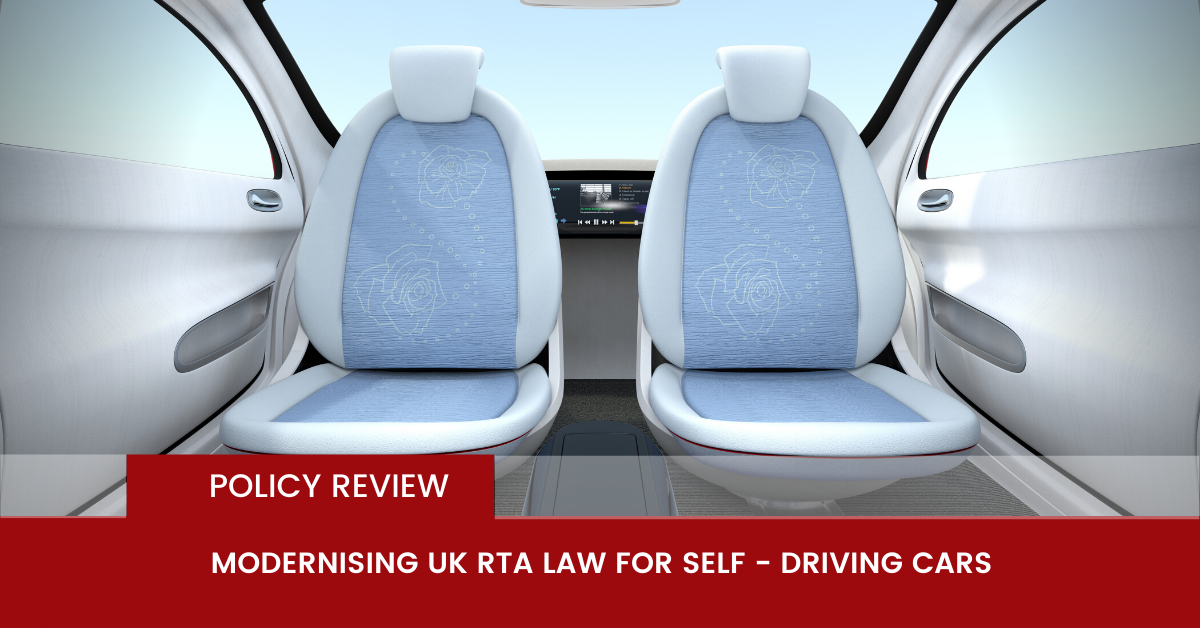
    As autonomous vehicles (AVs) become more prevalent, the UK’s legal framework for vehicle liability is evolving rapidly. With the Automated Vehicles Act 2024 (AV Act) now in force, lawmakers are re-examining traditional tort law principles to address the complexities of self-driving technology. This transformation underscores the urgent need for a legal system that can keep pace with the rapid advancements in vehicle automation.

    A New Legal Landscape for Autonomous Vehicles

    In the UK, the “harm-based” law of torts has long governed liability for vehicle accidents, supported by legislation such as the Road Traffic Act 1988. However, as control shifts from humans to algorithms in more advanced vehicle automation, the legal landscape must adapt. The AV Act, which received Royal Assent in May 2024, introduces a comprehensive framework designed to tackle these emerging challenges.

    The AV Act clearly distinguishes between “user-in-charge” (UiC) and “no-user-in-charge” (non-UiC) scenarios, where vehicles operate independently without human intervention. This distinction is crucial, as it clarifies liability in the event of an accident—whether it falls on the driver, the manufacturer, or the software provider. The act specifically designates an “authorised self-driving entity” (ASDE) as the party responsible for ensuring that an AV meets all safety and operational standards, thereby shifting liability away from human drivers when the vehicle operates autonomously(Taylor Wessing, Bird & Bird |International Law Firm).

    The Role of the Automated Vehicles Act

    The Automated Vehicles Act 2024 marks a significant milestone in the regulation of self-driving cars in the UK. Building on previous legislation, such as the Automated and Electric Vehicles Act 2018 (AEVA), the new act goes further by addressing earlier laws’ limitations. It establishes a more rigorous safety framework, requiring AVs to meet safety standards that are equivalent to or higher than those of a competent human driver before they are permitted on public roads.

    Moreover, the AV Act sets up a new regime for the approval and ongoing monitoring of AVs. Vehicles must pass a self-driving test and remain under continuous oversight throughout their operational life. This approach ensures that they stay safe and comply with road rules, even as they undergo software updates and other modifications(GOV.UK,Law Commission).

    Balancing Innovation and Accountability

    As AV technology rapidly advances, it brings new ethical and legal concerns. For instance, when an autonomous car’s decision-making algorithm causes an accident, who bears the responsibility? The AV Act addresses this issue by making the ASDE legally accountable for the vehicle’s actions during non-UiC operations. This shift in liability from the human driver to the manufacturer or software provider represents a significant departure from traditional tort law(Bird & Bird | International Law Firm).

    The act also introduces stringent consumer protection measures, including regulations on how AVs can be marketed. These measures aim to prevent consumers from being misled about a vehicle’s capabilities, ensuring they understand the difference between fully autonomous systems and those requiring human intervention.

    Conclusion

    As the UK approaches the mainstream adoption of autonomous vehicles, its legal system must continue to evolve. The Automated Vehicles Act 2024 plays a critical role in this evolution, providing a clear framework for liability and safety in a world where self-driving cars are becoming the norm. By addressing the legal and ethical challenges posed by AV technology, the UK positions itself as a global leader in the autonomous vehicle sector, ensuring that innovation is balanced with accountability and public safety.


    Explore related WiBrief research

    The questions about responsibility raised by autonomous vehicles now appear in workplaces and software agents. Explore the wider picture in the Autonomy and AI research hub. Experience the trade-offs directly in the interactive Autonomy Atlas.

  • A Road Map for Driverless Cars: The UK’s Accelerated Journey Towards Autonomy in 2026

    A Road Map for Driverless Cars: The UK’s Accelerated Journey Towards Autonomy in 2026

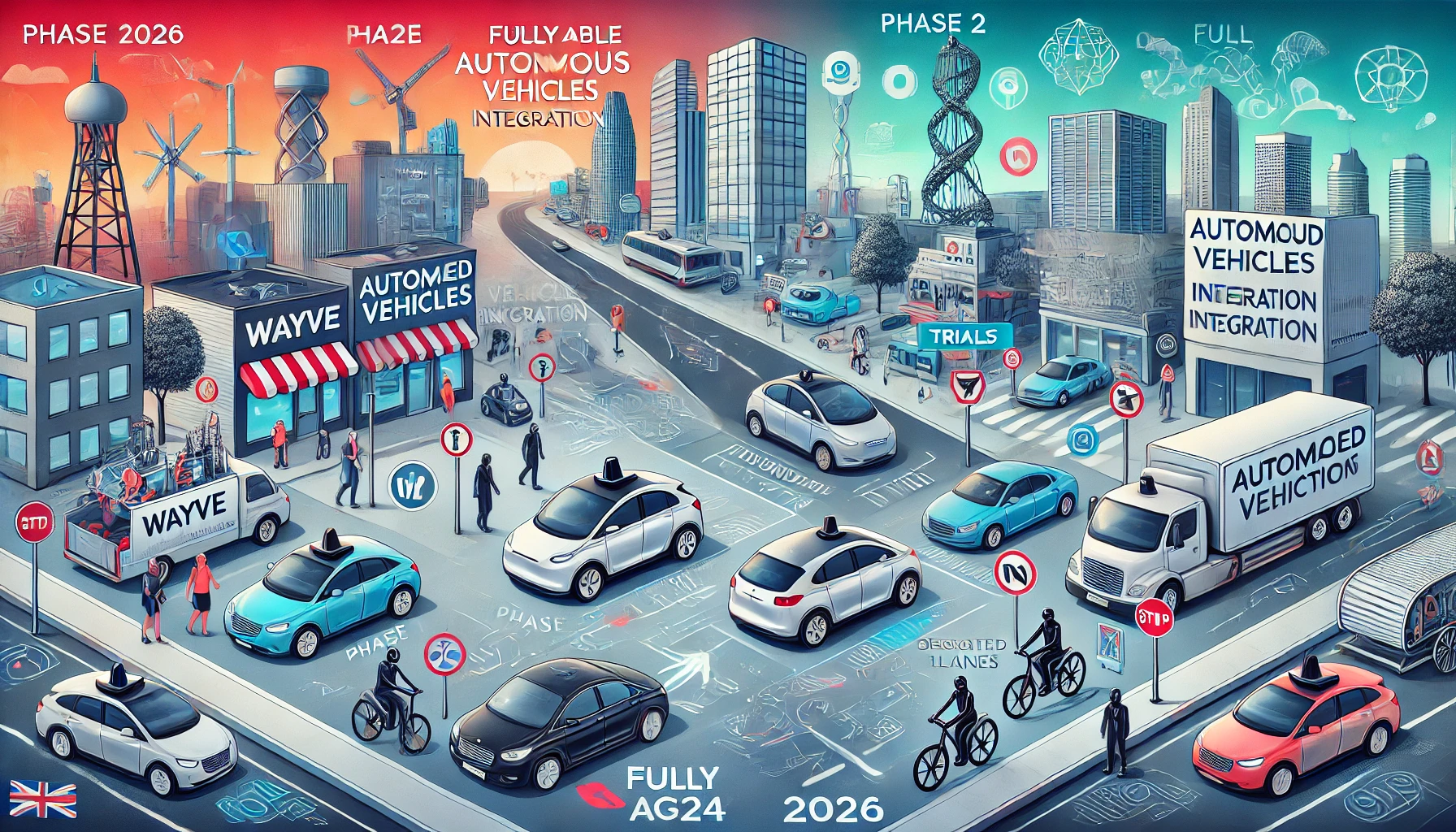
    The year 2026 is poised to be a watershed moment for the UK’s automotive landscape12, with fully driverless cars potentially hitting the roads. This acceleration, propelled by the groundbreaking Automated Vehicles Act of 2024, marks a significant leap forward in the evolution of transportation.

    A closer look at the latest industry reports and legislative developments unveils a detailed roadmap of what to expect as this technology revolutionises our roads.

    Phases of Integration: A Gradual Revolution

    Phase 1: Building Trust with Overridable Self-Driving Cars Initially, we will witness the introduction of “overridable” self-driving cars. These vehicles will empower human drivers to intervene and take control in situations where the AI system may falter. This crucial first phase serves a dual purpose: it allows the public to gradually acclimate to the technology while simultaneously gathering invaluable real-world data to refine the AI’s capabilities.

    Phase 2: Embracing Full Autonomy As confidence in the technology solidifies and overridable self-driving cars become ubiquitous, the stage will be set for the second phase: the deployment of fully autonomous, non-overridable vehicles. These cars will operate independently, ushering in a new era of transportation that promises enhanced safety, reduced congestion, and improved accessibility.

    Navigating the Transition: Addressing Human and Machine Errors

    The path to a fully autonomous future is not without its challenges. One of the most pressing concerns is the potential for both human and machine errors during this transitional period.

    Human Error:
    The Persistent Challenge Human error remains a leading cause of road accidents in the UK, contributing to a staggering 88% of collisions. Distracted driving, fatigue, and impaired driving are just a few examples of the human factors that jeopardise road safety. While self-driving cars aim to eliminate these risks, the transition period presents a unique challenge in handover scenarios, where drivers may need to suddenly resume control.

    Machine Error: The Imperfections of Technology Self-driving cars, while promising, are not infallible. Manufacturing defects and design flaws can lead to malfunctions, even in meticulously crafted vehicles. Rigorous testing and stringent quality control measures are paramount to mitigating these risks.

    The UK’s Pioneering Efforts: Trials and Regulations3

    The UK has taken a proactive stance in embracing this technological revolution. Companies like Wayve and Oxa are already conducting trials in urban environments, paving the way for a driverless future. These trials operate under a strict code of practice that mandates human supervision, ensuring safety and addressing initial concerns.

    The Way Forward: A Multifaceted Approach

    To ensure a seamless and safe transition to fully autonomous vehicles, a multifaceted approach is essential:

    Enhanced Testing and Validation: Continuous rigorous testing under diverse conditions is crucial to identify and rectify potential defects.

    Public Awareness and Education: Educating the public about the capabilities and limitations of self-driving technology will foster acceptance and responsible usage.

    Robust Regulatory Oversight: Stringent regulations must be developed and enforced to ensure high safety standards and hold manufacturers accountable.

    Infrastructure Adaptation: Upgrading road infrastructure to accommodate autonomous vehicles, including dedicated lanes and intelligent traffic systems, will be vital.

    Conclusion: A Safer, More Efficient Future Beckons

    The UK’s forward-thinking approach, exemplified by the Automated Vehicles Act, positions the nation at the forefront of the autonomous vehicle revolution. By addressing both human and machine errors head-on, the UK is paving the way for a future where fully autonomous, safe roadways are a reality. This transformation has the potential to save countless lives, revolutionise transportation, and create a more efficient and accessible society for all.

    1. https://www.gov.uk/government/news/self-driving-vehicles-set-to-be-on-roads-by-2026-as-automated-vehicles-act-becomes-law ↩︎
    2. https://www.topgear.com/car-news/tech/self-driving-cars-could-be-uk-roads-2026-after-new-law-signed ↩︎
    3. GOV.UK)​​ (Enterprise Technology News and Analysis)​​ (Top Gear)​. ↩︎

    Explore related WiBrief research

    Compare this early autonomous-vehicle roadmap with how AI agents are shifting control and accountability today in the Autonomy and AI research hub. Experience the trade-offs directly in the interactive Autonomy Atlas.