Confidence and belief can transform a business—and a career. This transformation transcends financial gain, fostering an environment where:
- Innovation thrives: Teams feel confident to take risks and explore new ideas.
- Resilience is unwavering: Challenges are met with confidence and a focus on solutions.
- Motivation is high: Employees feel aligned with a shared vision, driving them to achieve their best.
This power isn’t limited to the corporate world; it has been instrumental in my own career journey.
My Journey: From Law School to Leading AI Innovation
🌏 A Non-Traditional Path
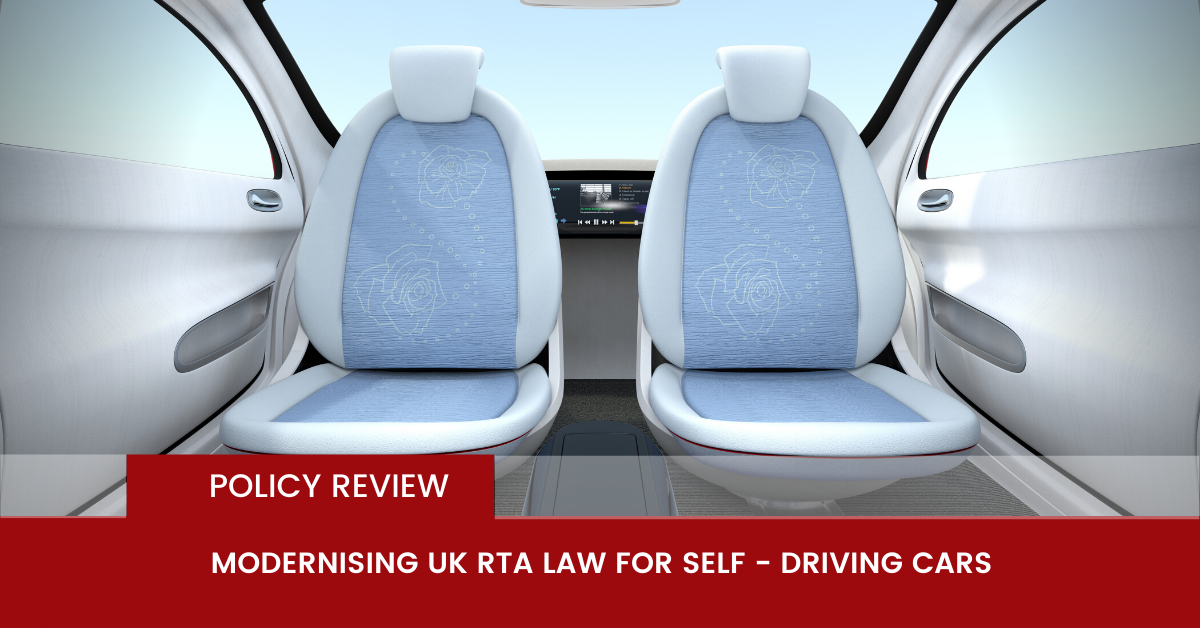
During law school, I was convinced that the legal world needed to embrace technology. This led me to write my LLB dissertation on the liability issues of self-driving cars.
🌟Confidence in My Abilities
I had confidence in my ability to bridge the gap between law and technology. This fueled my research and writing, culminating in my first published book, “Regulating Driverless RTA’s” (which is still buying me coffees today).
⚡️Seeking Greater Impact
This early success reinforced my commitment to my goals. It led me to KPMG, where I could leverage my knowledge to drive change.
🏈 Living the Values
KPMG’s values of integrity, excellence, courage, togetherness, and “For Better” resonate deeply with me. They’ve empowered me to:
- Build out KPMG Law’s knowledge management services alongside the esteemed Susan Hollingdale
- Create legal tech applications using the latest cutting-edge tools i.e HighQ, Contract Express and front end code (HTML CSS and Javascript).
- Develop AI systems to enhance prompt engeneering methodologies and ensure consistent and reliable AI outputs (more on this in another article). This led me to performing cutting-edge research into generative AI and its application to the legal field.
This work recently culminated in the publication of a market-leading report on the transformation of legal tech which you can download ⏬ here.
The Pillars of Confidence and belief in Business
⭕️ Shared Vision
Creating a shared vision based on confidence and belief aligns teams toward common goals. For example, Google’s “10x” thinking encourages teams to believe they can achieve ten times the progress rather than just incremental improvements1. This belief has led to groundbreaking innovations like Google Maps and Google Brain.
🏋🏾♀️ Employee Motivation
A study by Deloitte found that 87% of executives believe a strong organisational culture is crucial to business success2. Employees who feel connected to their company’s culture are more likely to go above and beyond in their roles, leading to enhanced productivity and overall performance. Post-pandemic trends highlighted by the World Economic Forum show that many employees now prioritize alignment between their personal values and those of their employers over salary alone3.
New research from LinkedIn of nearly 10,000 professionals across the globe finds that more than two-thirds (68%) of workers in the UK, France, Germany and Ireland now consider it important to work for companies that are aligned with their values. This rises to 87% for workers in the US, and 85% in Brazil. Values such as work-life balance, career growth and learning, and diversity and inclusion, are what people care about the most.
What’s surprising is that despite the current economic climate where the higher cost of living and potential of layoffs are impacting so many people, more than half (59%) of professionals in Europe say they wouldn’t work for a company that doesn’t share their values, and not even a pay rise would change their minds (55%)4.This indicates that a confidence-driven work environment can significantly enhance employee satisfaction and retention.
❇️ Trust in Teams
Confidence in the abilities of team members fosters a supportive environment where innovation can flourish. At Pixar, belief in the creative process and trust in the team have led to a string of successful movies, all while maintaining a collaborative and respectful workplace culture5.
🚀 Innovation
A positive organisational culture fosters an environment conducive to innovation. Companies that clearly articulate and integrate their values see higher rates of innovation as employees feel more engaged and empowered to contribute new ideas. For instance, PETRONAS achieved significant organisational success by clarifying their cultural beliefs around results and trust6. Similarly, Novelis focused on accountability and engagement, leading to remarkable improvements in employee engagement scores, return on capital employed, and profitability.
⚖️ Balancing Priorities
Confidence and belief help balance long-term goals with short-term demands. Amazon’s commitment to customer obsession is rooted in the belief that if they build a great customer experience7, the financial success will follow. This guiding belief has driven Amazon’s expansion and sustained success.
❗️Navigating Challenges
Facing challenges with unwavering confidence and belief can turn potential setbacks into opportunities. When SpaceX faced multiple rocket failures, Elon Musk’s belief in the mission to make space travel accessible kept the company focused and resilient, ultimately leading to successful missions8.
The Ripple Effect
Confidence and belief create a ripple effect throughout an organization. They foster a culture of:
- Resilience: The ability to bounce back from setbacks.
- Innovation: The courage to explore new ideas and take risks.
- Motivation: A shared sense of purpose that drives everyone to achieve their best.
👇🏾Your Turn
Reflect on both your own beliefs and values as well as those of your team. What are you passionate about? What unique skills and perspectives do you and your employees bring to the table?
- 🌟 Have faith in your abilities.
- 🚀 Don’t be afraid to chart your own course.
- ⚡️Believe in your potential to make a difference.
You might be surprised at where your journey leads you.
Conclusion
Your journey of confidence and belief begins with self-reflection. What are you truly passionate about? What unique skills and perspectives can you offer? Similarly, consider the passions, skills, and perspectives of your team members. Once you’ve identified these core values, work together to pursue them relentlessly. Don’t be afraid to challenge the status quo, take calculated risks, and trust in your collective ability to make a difference. Your unwavering belief in yourself, your team, and your mission can inspire others and create a ripple effect of positive change throughout your organization.
- https://medium.com/@arunpandeycdac/thinking-10x-the-revolutionary-mindset-of-googles-larrie-94fc52c63c20 ↩︎
- https://www.deloitte.com/global/en/our-thinking/insights/topics/talent/human-capital-trends/employee-engagement-culture-human-capital-trends-2015.html ↩︎
- https://www.weforum.org/agenda/2023/04/why-company-values-deal-breaker-next-generation-professionals/ ↩︎
- ibid ↩︎
- https://medium.com/great-business-stories/lessons-from-pixar-2-failure-is-an-ingredient-for-creativity-b54b34abaccd#:~:text=Creating%20this%20culture%20means%20being,act%20to%20help%20solve%20it.%E2%80%9D ↩︎
- https://culturepartners.com/insights/understanding-organizational-culture-and-values-a-guide-for-businesses/ ↩︎
- https://www.inc.com/bill-murphy-jr/bezos-most-important-single-thing-focus-obsessively-on-customer.html ↩︎
- https://www.theguardian.com/science/article/2024/jun/06/spacex-starship-successful-test-flight ↩︎