Category: eventbrite

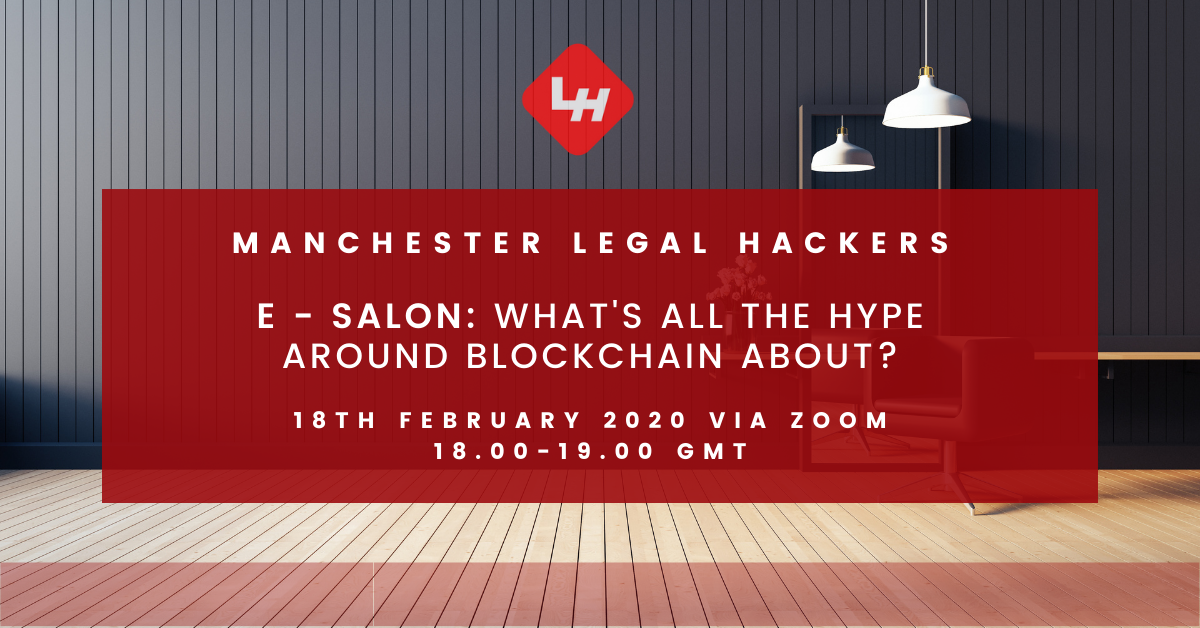
  • Blockchain E – Salon: What’s all the hype around Blockchain about? [VIDEO]

    Blockchain E – Salon: What’s all the hype around Blockchain about? [VIDEO]

    WiredBrief are delighted to bring to you another exciting panel event hosted by Legal Hackers MCR, which looks into Blockchain and what the hype is all about.

    About this Event:

    Are you tired of seeing generic news articles about Blockchain that just talk about it in terms of Bitcoin and daily price fluctuations?

    Blockchain and decentralised ledger technology have many uses that extend past digital currencies. Their ability to create a secure trust-less, permissioned ledger is just one example of a feature, that will make the technology a crucial hallmark of the connected world and Internet of things (IOT).

    If you are looking to expand your knowledge of Blockchain and better understand its place in our connected digital future, then come to the Manchester Legal Hackers E Salon where they’ll be finding out what the fuss is all about!

    Host:

    Xuening Qu – Legal Technologist at DWF

    Co – Host:

    Abigail Holt – Barrister at Garden Court Chambers

    Event Co – Ordinator:

    Geofrey Banzi – Legal Technologist at KPMG

    Panellists

    Adi Ben-Ari

    Founder & CEO at Applied Blockchain

    Adi has over 20 years enterprise software experience, more recently leading major deliveries of production blockchain and advanced cryptography solutions. Adi is widely recognised as an independent thought leader in the industry, a noted speaker at major conferences, experienced in educating C-suite on blockchain, confidential computing and privacy-preserving technologies, and acts as an advisor for a number of startups.

    His work has been noted by the UK Government, where he was invited to present at Parliament and the House of Lords, and at University College London. Adi has contributed to the recent work of the Law Society on Blockchain, Legal and Regulatory Guidance. He has co-invented and designed a number of patents related to confidential computing, advanced cryptography, blockchain and mobile payments.

    Will Foulkes

    Senior Solicitor & Head of Blockchain at Stephenson Law Will is an experienced solicitor and specialist in distributed ledger technologies, digital assets and smart contracts, advising on multi-jurisdictional regulatory compliance and strategy for token-related fundraising. Will is an engaging and informative speaker on blockchain and has worked with the Law Commission’s Digital Asset and Smart Contract team on a number of key projects.

    Jay Smith

    Legal Engineer at Stephenson Law

    Jay advises on legaltech, operations and blockchain at Stephenson Law, a key challenger in the legal industry, with a forward-thinking approach of how law firms should operate and embrace new technologies. Jay’s expertise and consultancy fuses design and tech with an expert understanding of law.

    Andy Gray

    Co-founder of KnownOrigin Labs and BlockRocket.tech

    Founder, Blockchain Manchester

    Andy builds blockchain products and solutions, developing decentralised applications (Dapps) with Solidity smart contracts and Web 3.0 tech, and with over 20 years commercial experience developing enterprise IT systems. Andy’s recent projects include the creation of a tokenised customer loyalty platform and experiments with crypto-collectibles for BrewDog and KnownOrigin.io, a digital art marketplace. Andy will speak about crypto-collectibles, blockchain art and proof of provenance.

    The following questions were answered:

    – Can you explain what blockchain is all about in three sentences? 9.16

    – The primary value of blockchain is the fact it’s so secure. However, there must be potential breaches in blockchain, can you describe how potential breaches are dealt with? 10.56

    – What do you see as the most interesting and evolving trends in distributed ledger technology? 16.53

    – Fungible, non fungible… what does it mean? 21.59

    – Some people say that the blockchain revolution hasn’t happened yet, and most of the existing blockchain applications can be achieved through normal cloud based applications. What do you say to that? 23.59

    – What does the internet of things mean? 29.58

    – Could you give us examples of existing blockchain projects, including some you’ve worked on? 32.10

    – Who do I go to to design a system in regards blockchain? 36.14

    – Adoption of technology often lags the creation of the technology. Legal regulation can often lag behind that! One of the challenges for blockchain is that it will be dotted all over the world, which brings into question legal jurisdictions. What are your thoughts on the regulation of blockchain and how that can be done practically? 41.16

    – Can you explain what mining is? Why does it use so much electricity, and why does it pose a risk to climate change? 45.35

    – Can you explain the practical differences and challenges proposed by proof of work versus proof of stake? 49.48

    – When governments start accepting crypto as payment for taxes, that will be a tipping. How close do you think we are to this? 51.27

    – How do see the system being regulated, or do you think it will it regulate itself? 58.55

    –  Can the regulation keep up with the technology? 1.01.31
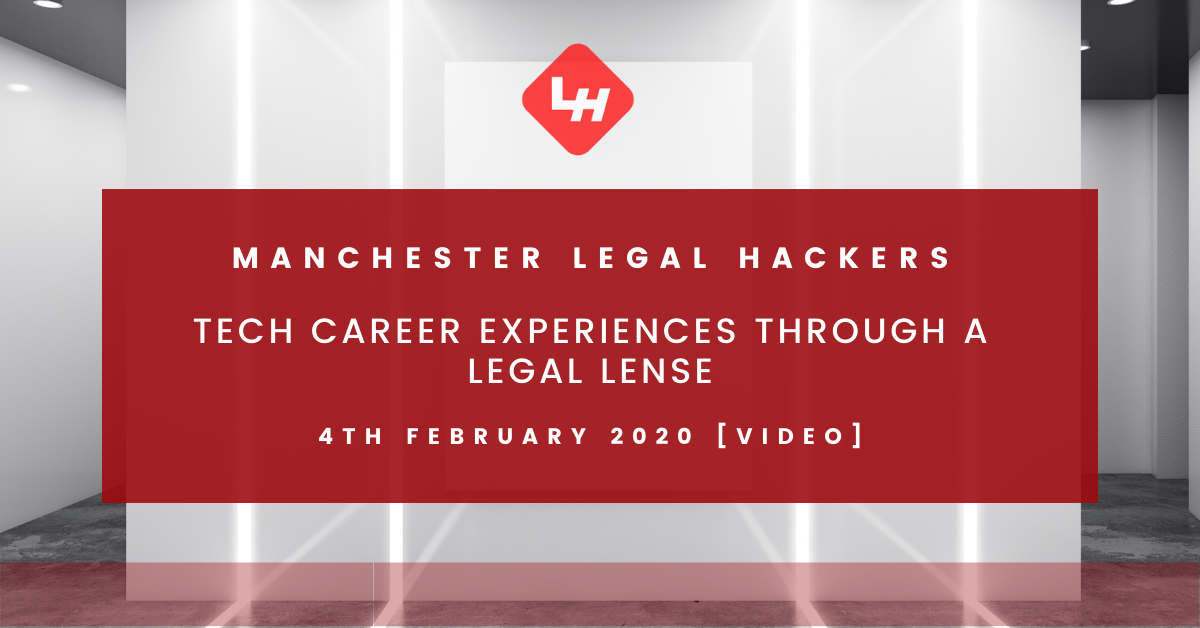
  • AN INTRODUCTION TO BLOCKCHAIN AND CRYPTO ASSETS [VIDEO]

    AN INTRODUCTION TO BLOCKCHAIN AND CRYPTO ASSETS [VIDEO]

    WiredBrief are excited to bring to you an exciting event hosted by Legal Hackers MCR, which looks at Blockchain and its applications to the real world.

    About this Event

    Have you ever wondered how Blockchain could transform the world and how companies are using its transformative power to bring about social change?

    The consequences of the recent COVID-19 pandemic have allowed Blockchain to quickly rise in prominence over the past year to become one of the most prolific technologies on the market in 2021, but little is still known about it.

    Blockchain technology however, has the power to transform millions of our lives for the better but until recently, it has only been a buzz-word and the subject of market speculation. Recent disruptions to our status quo however, have forced difficult questions of not just how we could begin rebuilding our society and financial institutions, but which tools we could start using to do this.

    Join Legal Hackers MCR

    Join Legal Hackers MCR on the 4th of February as they introduce Will Foulkes, Head of Blockchain at Stephenson Law, who will be bringing you closer to the exciting world of Blockchain.

    During his talk he will help demystify key aspects of the disruptive technology, including its uses and applications and he will also be available to take some of your questions at the end.

    If you enjoy this event and want to take an even further deep dive, we’ll also be hosting an exciting panel event on the 18th of February. This will include a number of leading specialists from the area, who will be able to give you even more insight and also answer some of your more probing questions. Stay tuned!

    What will be covered:

    1. HOW BLOCKCHAIN WORKS

    2. WHY BLOCKCHAIN HAS THE CAPACITY TO MASSIVELY DISRUPT INDUSTRY

    3. INSIGHT INTO SOME LEADING PROJECTS AND PRODUCTS IN THIS SPACE

    Keynote Speaker:

    Will Foulkes – Head of Blockchain at Stephenson Law

    LinkedIn

    Host:

    Xuening Qu – Legal Technologist at DWF

    Co – Host:

    Lisa McCLory – Legal Knowledge Director at Fractal Legal

    For more events like this visit Legal Hackers MCR on:

    LinkedIn

    Twitter

    Website

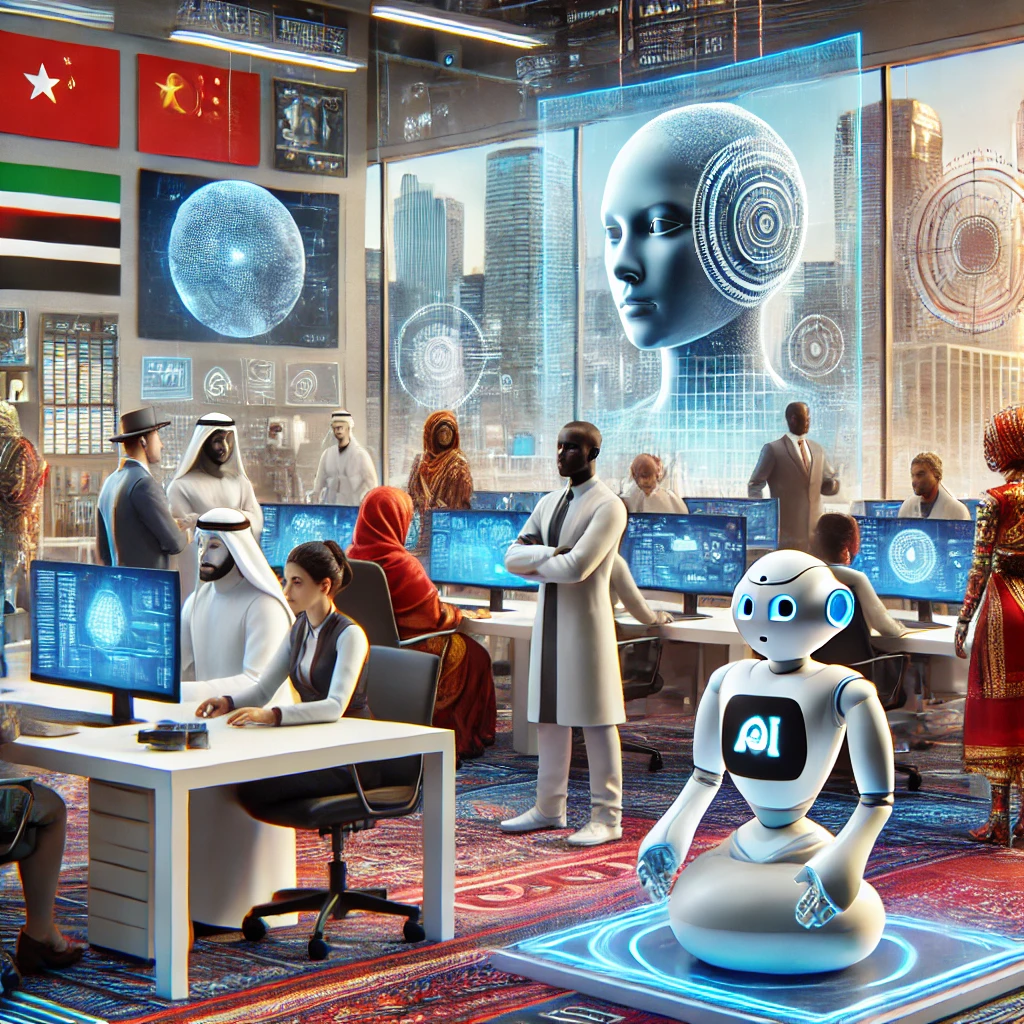
  • Generative AI and the Future of Work: A Paradigm Shift

    Generative AI and the Future of Work: A Paradigm Shift

    The future of work isn’t coming; it’s here, and generative AI is its architect. This powerful technology, capable of creating content from data inputs, is poised to reshape industries, redefine job roles, and fundamentally alter how we approach work. As we stand on the brink of this new era, it’s crucial to understand the implications and prepare for the future.

    The Rise of Generative AI: A Creative Disruption

    Generative AI isn’t just a buzzword; it’s a creative disruption. From automating mundane tasks to generating imaginative content, its applications are vast and rapidly expanding. By 2030, McKinsey predicts that 30% of hours worked today could be automated, signaling a significant shift in the labor landscape. Imagine AI-powered legal research tools that analyse vast amounts of data in seconds, a task that would take human lawyers hours. Or marketing teams collaborating with AI to craft compelling campaigns tailored to individual preferences. The possibilities are boundless​ (McKinsey & Company)​​ (McKinsey & Company)​.

    Phases of Integration: A Gradual Revolution

    Augmentation and Overridable Systems: In the initial phase, AI will primarily augment human tasks, boosting productivity and efficiency. AI-powered tools will handle repetitive tasks, freeing up human workers to focus on more complex and creative endeavors​ (Deloitte United States)​.

    Full Autonomy and Transformation: As AI matures, it will move towards full autonomy, fundamentally altering job roles and creating new career paths. While some jobs may be displaced, AI will also generate new opportunities in fields like AI ethics, data analysis, and machine learning engineering​ (IMF)​.

    Navigating the Challenges: A Human-AI Partnership

    The transition to an AI-powered workplace presents both opportunities and challenges:

    Human Error and Adaptation: Human oversight remains essential, particularly in situations requiring critical thinking and ethical judgment. Upskilling and reskilling programs will be vital to ensure workers can adapt to new roles and collaborate effectively with AI systems​ (McKinsey & Company)​.

    Machine Error and Reliability: AI systems are not foolproof. They require rigorous testing, monitoring, and continuous improvement to ensure reliability and accuracy. Organizations must establish robust governance frameworks to manage AI-related risks​ (World Economic Forum)​.

    The Future Workforce: Skills for the AI Age

    The rise of generative AI will necessitate a shift in workforce skills. Technical skills like programming and data analysis will be in high demand, but so will “soft skills” like critical thinking, creativity, and emotional intelligence. These uniquely human skills will become increasingly valuable as AI takes on routine tasks​ (McKinsey & Company)​​ (World Economic Forum)​.

    Preparing for the Future: Embracing the AI Revolution

    To thrive in the age of generative AI, individuals and organisations must embrace a growth mindset and prioritise continuous learning. Here’s what you can do:

    • Embrace Lifelong Learning: Invest in developing new skills and knowledge to stay ahead of the curve.
    • Foster Adaptability: Be open to change and willing to take on new challenges.
    • Cultivate Creativity: Focus on tasks that require human ingenuity and problem-solving skills.
    • Build Strong Interpersonal Skills: Effective communication and collaboration will be crucial in an AI-powered workplace.

    Generative AI has the potential to revolutionise the world of work, but it’s up to us to shape this future. By embracing change, investing in human capital, and prioritising ethical considerations, we can create a future where AI serves as a powerful tool for human empowerment and innovation.


    What does the future of work look like now?

    Revisit this earlier discussion alongside WiBrief’s more recent examination of AI agents and the changing responsibilities of people and organisations.